
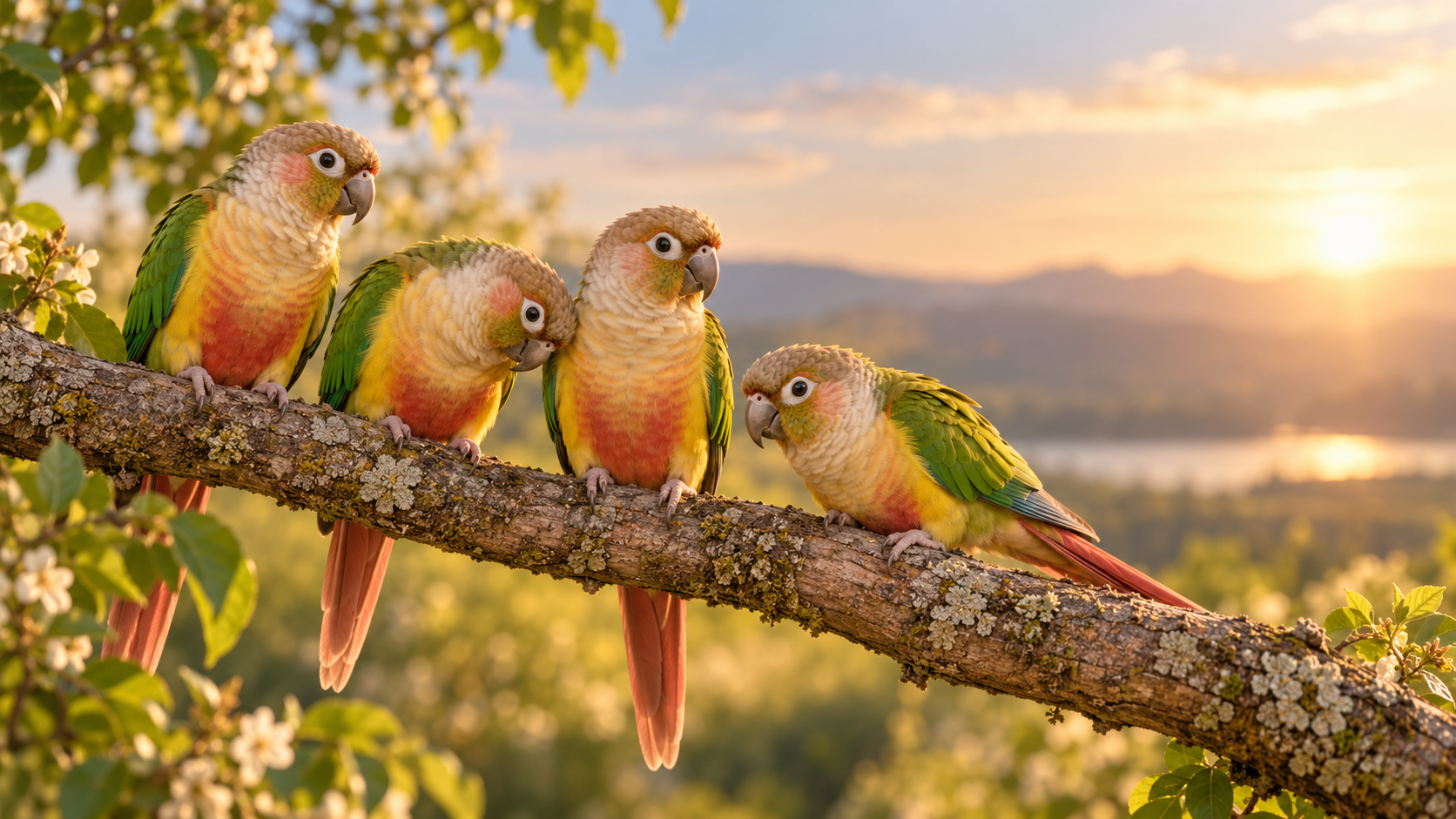
Less fear of birds. More freedom to enjoy the world around you.
When a bird suddenly takes flight, lands nearby or flaps its wings, fear can arrive before you have time to think. You deserve to feel more at ease.
Explore personalised Solution Focused Clinical Hypnotherapy, NLP Rewind and CBT-informed techniques — without direct exposure exercises.
When an ordinary encounter with a bird feels anything but ordinary
A fear of birds is often called ornithophobia. You may feel anxious around all birds, or only certain species, sizes, sounds or movements.
A pigeon flying up from the pavement, a seagull approaching food outdoors, or a bird moving suddenly overhead can leave you feeling frightened, startled or desperate to get away. For some people even birdsong, feathers or the prospect of a park visit can create anticipatory anxiety.
The fear may be linked to a previous incident, a learned association or no clear memory at all. It is worth taking seriously when it begins shaping where you go and what you do.
Our conversations focus on the difference you would like to experience, including feeling calmer and having more choice.
The fear can begin long before you see a bird
Anticipating a feared encounter may become as difficult as the encounter itself.
Unpredictability
Sudden flight, flapping wings or birds approaching at close range may feel impossible to anticipate or control.
Heightened alertness
You may find yourself scanning rooftops, pavements or picnic areas for birds, leaving little room to relax.
Plans become restricted
Holidays, family outings, town-centre visits and time outdoors can start revolving around where birds might be.
Imagine enjoying more of everyday life
The goal is not to make you love birds. It is to help reduce the influence fear has over your choices.
More comfortable outdoors
Look towards walks, outdoor meals and day trips with less worry about unexpected encounters.
A calmer response
Develop a greater sense of steadiness when thinking about wings, feathers, sounds or nearby birds.
More freedom to choose
Make more room for family activities, travel and the places you want to visit.
Clinical hypnotherapy, NLP Rewind and thoughtful CBT elements
At Best Mind Therapy, we use a collaborative approach tailored to your experiences, comfort and goals. We do not administer direct exposure therapy.
Solution Focused Clinical Hypnotherapy
Therapeutic conversations and hypnosis can help you practise calm, relaxation and more helpful mental rehearsal. The emphasis is on the changes you want to make and the strengths you can build upon.
Specific research on hypnotherapy for ornithophobia is limited; individual outcomes cannot be guaranteed.
The NLP Rewind process
When a distressing bird-related memory or association seems relevant, we may consider the NLP Rewind process: guided mental imagery used to approach that experience from a different perspective.
This does not require you to handle birds or visit them in person. Evidence for NLP Rewind in specific phobias remains limited, and guided imagery itself may still evoke some discomfort.
CBT-informed strategies
Selected CBT elements can help you recognise catastrophic predictions, understand patterns of worry and develop more balanced thoughts and helpful responses.
These elements are not presented as a full course of CBT or an exposure programme.
Appropriate care and choice
CBT with graduated exposure has a stronger evidence base for specific phobias and is available through appropriate services. We can discuss referral or signposting if that approach, or a different assessment, better matches your needs.
There is no pressure to use an approach that you have not agreed to.
A straightforward first step
You can start with a free initial consultation to discuss the fear in confidence.
We listen first. Tell us which situations feel hardest and what you would like to change.
We plan together. We'll talk about the approaches offered, any concerns you may have, and whether the service is suitable for you.
We review progress. Therapy can focus on building more useful responses, confidence and realistic goals at a pace that works for you.
Swindon-based, with a wider welcome
Best Mind Therapy welcomes enquiries from Swindon and communities within approximately 50 miles of the clinic, as well as clients elsewhere in the UK seeking suitable online appointments.
Our goal is to make that first conversation comfortable, respectful and useful.
Fear of birds: questions answered
Information to help you consider your options and take the next step.
What is ornithophobia?
Ornithophobia is an intense fear of birds. The fear may involve all birds or particular situations, such as pigeons near outdoor tables, flapping wings or unexpected movement.
Why am I frightened of birds?
A fear of birds may be linked to a frightening experience, learned associations or uncertainty around sudden movement and proximity. Sometimes there is no identifiable starting event.
Can you help with fear of pigeons or seagulls?
We can discuss fears relating to pigeons, seagulls, crows, parrots and other birds. Support is tailored to the situations and responses that concern you.
What is the NLP Rewind process?
NLP Rewind is a guided imagery method sometimes used to work with troubling memories or associations from a different mental perspective. It does not require direct contact with real birds. Evidence for its effectiveness for ornithophobia is limited.
Do I have to handle a bird or visit an aviary?
No. Best Mind Therapy does not provide direct exposure-therapy exercises as part of its phobia approach. Sessions are collaborative and do not require you to handle birds.
Can hypnotherapy help with fear of birds?
Hypnotherapy may support relaxation, confidence and calmer mental rehearsal. Evidence specifically for ornithophobia is limited, and outcomes vary.
Do you use CBT in your sessions?
We may use appropriate CBT-informed elements, such as identifying unhelpful predictions, understanding worry patterns and exploring alternative responses. This is not a formal CBT exposure programme.
Is this suitable for children?
Age-appropriate support may be considered following an initial discussion with a parent or guardian. Sometimes assessment or additional specialist support is advisable.
What if birds are unavoidable in everyday life?
We can explore the impact on travel, school runs, parks, outdoor eating and holidays, and agree realistic goals. You will not be pressured into frightening situations during sessions.
How many sessions will I need?
There is no fixed number. Needs vary according to the nature and severity of the fear, related concerns and how you respond to therapy.
Can I have an online appointment?
Yes. Online therapy may be suitable for some people, alongside in-person appointments in Swindon. We can discuss suitability in the free initial conversation.
How do I get started?
Book a free initial consultation to discuss the fear, your goals and whether Best Mind Therapy is an appropriate option for you.
There may be more freedom ahead than fear allows you to see today.
Start with a conversation. There is no obligation to begin therapy.